At our recent Sonraí Masterclass on Advocacy Skills for Data Stewards we explored an important reality of the role, being a great data steward is not just about managing data. It is also about helping people across our institutions understand why good data practices and infrastructure to support those good practices matter and encouraging them to become allies and advocate too.
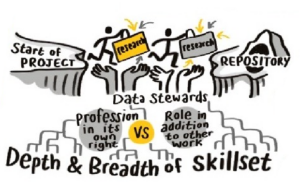
This masterclass was delivered in partnership with DANS the Dutch national centre of expertise and repository for research data and CaSDaR, the Careers and Skills for Data-driven Research Network+ in the UK bringing together expertise and shared learning from across the international data stewardship community.
The masterclass was facilitated by Damian McCourt of DCM Learning, a highly experienced coach and consultant who has spent many years designing and delivering tailored training programmes across all sectors and industries. The session focused on practical skills that can help data stewards have more effective conversations with researchers, institutional leadership and other key stakeholders.
One of the key takeaways was the importance of seeing things from your audience’s perspective. Rather than explaining what you need, start by understanding their challenges and showing them how your expertise, support and recommendations can help them. A highlight being that emphasising the benefits and outcomes in making the case for change in practice or attitudes towards data stewardship is stronger than focusing on processes or task lists.
Another topic was influence, particularly the idea that you do not need to be the most senior person in the room to have an impact. Expertise, practical examples, strong relationships, robust networks and a good story can all help strengthen your message. We also looked at the power of listening. Asking open questions, checking your understanding and genuinely engaging with concerns can make a huge difference when trying to build support for an idea, FAIR data or research data infrastructure.
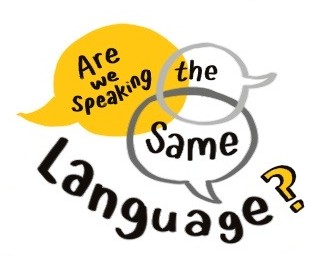
Finally, we explored how plain English can make advocacy more effective. Clear, direct language helps people understand your message quickly and reduces confusion. Simple language is not about “dumbing things down”; it is about making your expertise accessible to the people you are trying to reach. This is particularly relevant for data stewards, where technical terminology, jargon and acronyms can sometimes become barriers to engagement. If we want others to see the value of data stewardship, we need to communicate in ways that are clear, practical and meaningful to them.
Overall, the message was positive and encouraging; advocacy is a skill that can be learned. By listening, communicating clearly and demonstrating the value of your work you can become a powerful advocate for responsible data practices and champion change across your institution.
Thanks again to everyone who joined us. If you missed any part of the session, be sure to check out the recording and resources shared below. We hope they help you continue building your advocacy skills.
- Cultural Atlas – A guide to communicating across cultural backgrounds
- Plain-English-Style-Guide-for-the-Public-Service
Slides